Introduction to the Character
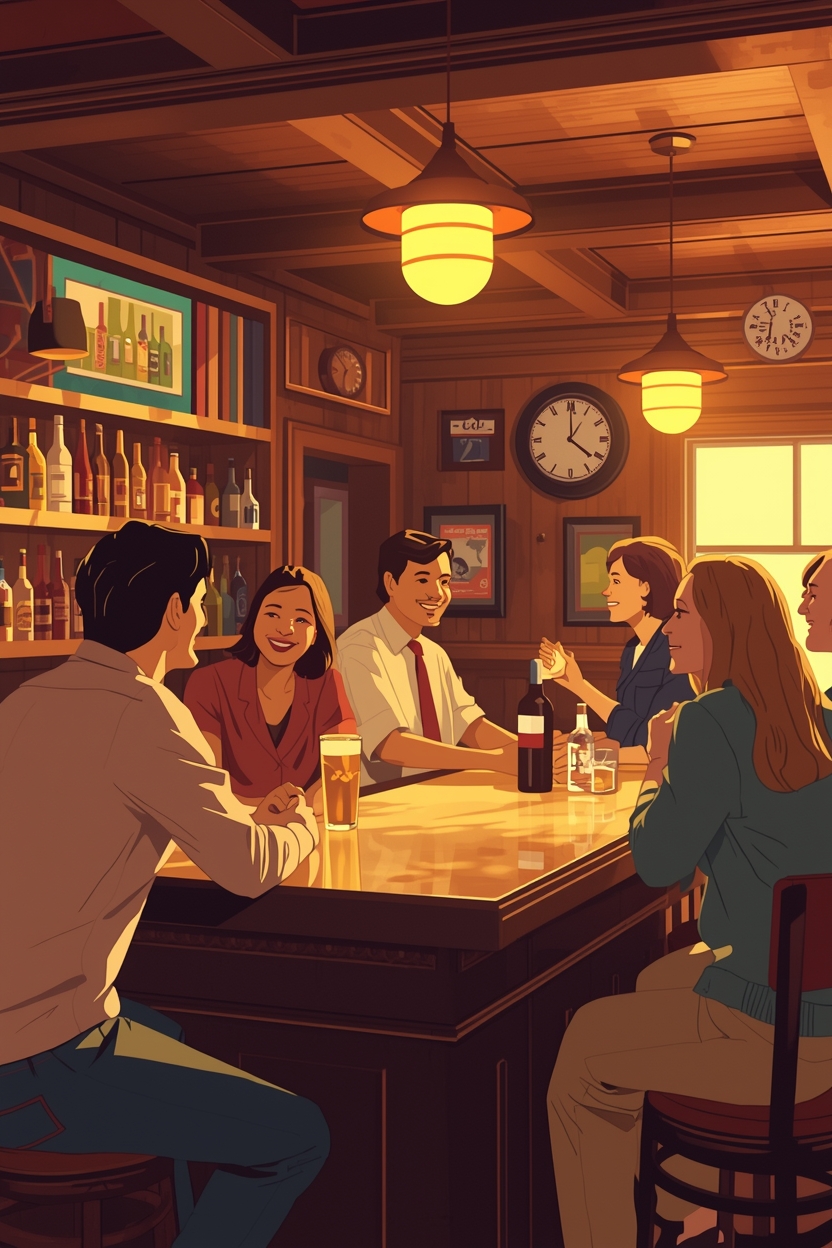
When people think of Cheers, the first face that often comes to mind is Sam Malone. As the former baseball star turned bartender, Sam stands at the emotional center of the show. He is the one pouring drinks, offering advice, stirring up lighthearted conflict, and quietly holding the bar together. While Cheers is very much an ensemble sitcom, Sam functions as its anchor. The story may shift around him, but the heartbeat of the bar usually runs through his presence.
Sam Malone is introduced as a man whose biggest successes seem to be in the past. Once a respected relief pitcher for the Boston Red Sox, he now runs a friendly neighborhood bar where familiar faces gather each day. Beneath his easy confidence and relaxed charm is a character shaped by personal challenges and quiet self-reflection. That layered personality is a key reason Sam remains memorable decades later.
Personality Traits and Defining Characteristics
Sam appears confident, charismatic, and socially skilled. He enjoys conversation, humor, and being at the center of attention. His friendly nature makes customers feel welcome, and his quick wit often keeps situations light. At the same time, Sam’s confidence is not always as solid as it seems. He often looks to others for reassurance, especially when his sense of self is challenged.
One of Sam’s most important traits is his commitment to personal improvement. As a recovering alcoholic, he works daily to maintain balance and responsibility in his life. This aspect of his character is handled with care and respect, showing growth rather than struggle for shock value. It adds depth without overwhelming the comedy.
Sam is also competitive, especially when it comes to pride and achievement. He likes to win and does not enjoy being outshined. Yet this trait is balanced by loyalty and generosity. When it truly matters, Sam shows up for the people around him.
Character Development Throughout the Series
Sam Malone’s growth unfolds gradually over the course of Cheers. Early on, he often measures success through popularity and recognition. He relies on charm and confidence to navigate problems, sometimes avoiding deeper reflection.
As the series progresses, Sam experiences moments that challenge his self-image. Changes in relationships and personal expectations encourage him to look inward. He begins to understand that leadership is not about control, but about consistency and care.
By the later seasons, Sam remains recognizably himself, but with greater emotional awareness. His development feels realistic. He does not change overnight, and he does not become perfect. Instead, he learns to accept responsibility while holding onto his sense of humor.
Relationships with Other Main Characters
Sam’s relationships are central to his story. His connection with Diane Chambers is one of the most well-known dynamics in sitcom history. Their interactions are shaped by contrast, curiosity, and mutual influence. Diane challenges Sam intellectually and emotionally, while Sam grounds her in everyday experience. Their relationship drives growth rather than simple romance.
With Carla Tortelli, Sam shares a straightforward and dependable friendship. Carla is unafraid to speak honestly, and Sam respects her strength and resilience. Their bond reflects long-term trust rather than sentimentality.
Sam’s role as bartender places him in a supportive position with characters like Norm, Cliff, Coach, and Woody. He listens more than he speaks and often offers guidance in subtle ways. These relationships highlight his role as a steady presence in the group.
Cultural Impact and Legacy
Sam Malone helped redefine what a sitcom leading character could be. Rather than presenting an idealized figure, Cheers offered a protagonist with clear flaws and room to grow. This approach made Sam relatable and helped shift sitcom storytelling toward more character-driven comedy.
The character also influenced portrayals of male leads by combining confidence with emotional openness. Sam is comfortable joking and competing, but he is also capable of admitting mistakes and expressing vulnerability. This balance became a model for later television characters.
Sam’s role as the bartender who connects people turned the bar into a symbol of community. It became a place where conversation mattered and where personal differences could coexist with mutual respect.
Why This Character Still Matters Today
Sam Malone continues to resonate because his challenges are familiar. He navigates change, self-doubt, and the desire to feel valued. These themes remain relevant across generations.
His story emphasizes that personal growth is ongoing. Sam does not reach a final version of himself. Instead, he continues learning, adapting, and showing up for others. This realistic portrayal feels comforting rather than idealized.
Most of all, Sam represents the importance of shared spaces and human connection. The bar in Cheers is not just a workplace, but a community. Sam’s role in maintaining that sense of belonging remains meaningful in any era.
Conclusion
Sam Malone is more than a sitcom bartender. He is a thoughtfully written character who reflects everyday struggles with warmth and humor. Through consistency, growth, and connection, Sam helped make Cheers a lasting classic. His story reminds viewers that flawed people can still build meaningful communities, and that lesson remains just as relevant today.
Related Stories
If you enjoyed exploring Sam Malone and the world of Cheers, you might also like these related stories from our sitcom archive:
You can read more about another iconic TV bartender by checking out this character profile on Frasier Crane from Frasier.
For a deeper look at workplace comedy and found-family dynamics, explore this related article about the ensemble cast of Taxi.
You may also enjoy this classic sitcom feature focusing on Jerry Seinfeld and the evolution of everyday humor in Seinfeld.